Panic Bar Installation
For any Los Angeles business that opens its doors to the public — a retail shop on Ventura Boulevard, a restaurant near the Staples Center, a medical office in Sherman Oaks — commercial exit devices aren't optional extras. California Building Code and OSHA regulations require compliant egress hardware on most commercial and assembly-occupancy doors, and the wrong setup can mean failed inspections, liability exposure, or worse. Encino Locksmith Corp specializes in commercial-grade exit device work across the LA metro, dispatching trained, insured technicians directly to your location — no shop visit required.
Open 24 hours, 7 days a week · Licensed, bonded & insured
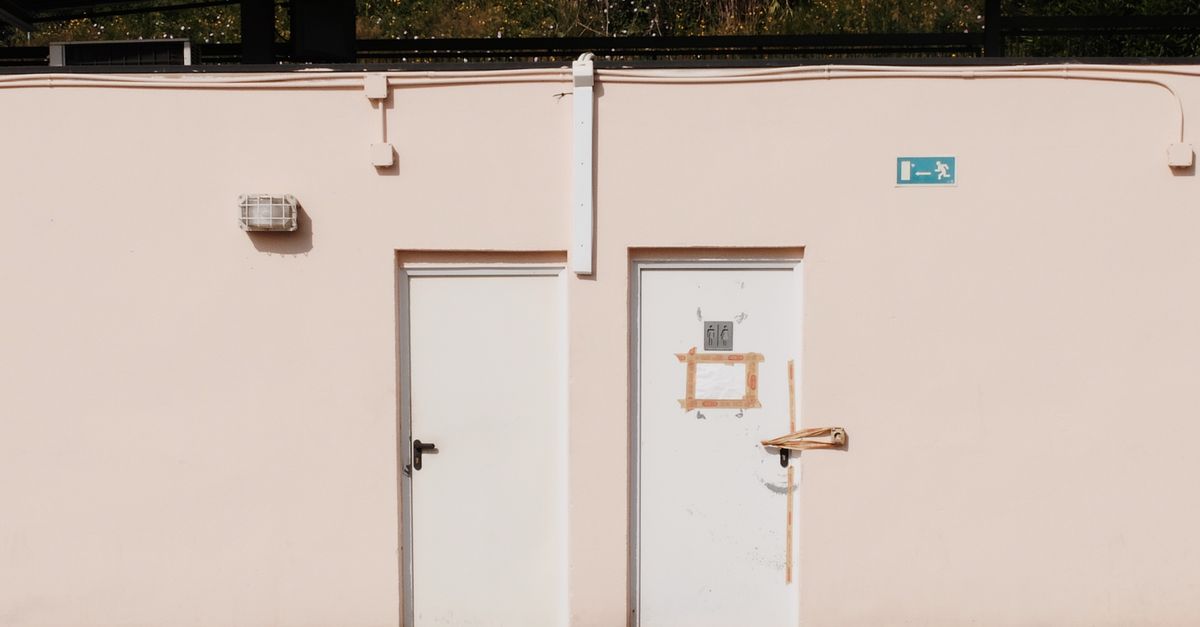
Whether you're outfitting a brand-new tenant improvement, replacing aging hardware that's started sticking or misfiring, or upgrading a single door that failed a fire marshal walkthrough, our mobile locksmith team handles the full scope. We assess your door configuration, confirm the right device for the application, and give you an exact up-front price before a single screw turns. Call (818) 450-5144 any time — we answer 24/7.
What we do
Available 24/7
Day, night, weekends and holidays — a real local locksmith answers and rolls a fully-stocked van.
Fast local response
Based in Los Angeles, we reach the Los Angeles area in well under an hour.
Insured & background-checked
Vetted technicians, up-front pricing, and no surprise add-ons when we arrive.
Damage-free entry
We pick and bypass locks the right way, so most lockouts are solved without drilling anything.
What Panic Bar Installation Actually Involves
A panic bar — also called an exit device or crash bar — is a spring-loaded horizontal bar mounted across the interior face of an exit door. When any occupant pushes against it, the latch retracts and the door opens outward, even with zero prior knowledge of the hardware. That simplicity is the point: in a fire, power outage, or emergency evacuation, your staff and customers should never have to think about how to get out. But the installation itself is anything but simple. Our technicians evaluate door thickness and material (hollow metal, aluminum storefront, solid wood), frame condition, hinge placement, and whether your existing prep cuts match the device's footprint — factors that vary widely across LA's commercial building stock, from mid-century office buildings in Encino to modern mixed-use construction in Culver City.
There are several device styles — rim-mount, surface vertical rod (SVR), concealed vertical rod (CVR), and mortise — and selecting the wrong one for a given door creates both security gaps and code problems. After installation, every device we fit is cycled, adjusted, and tested under load so the latch engages cleanly and the push force falls within the 15-pound maximum required by ADA and California accessibility standards.
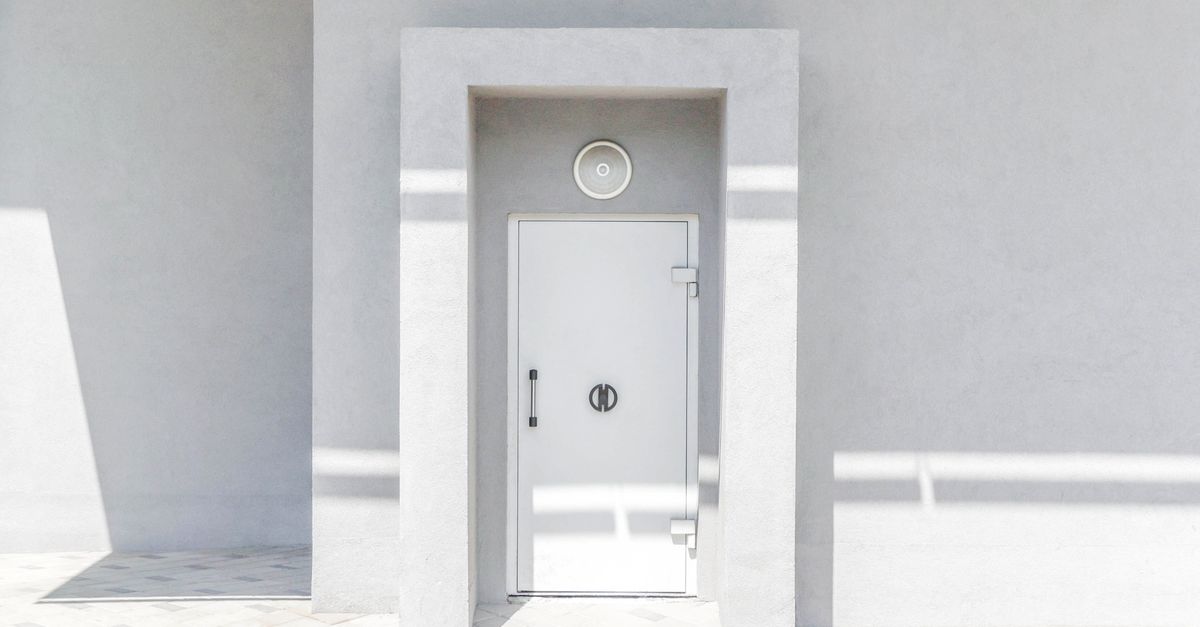
Panic Bar with Mortise Lock: When Security Can't Be an Either/Or
Standard rim-exit devices secure the door at a single latch point. For higher-security applications — a back office, a dispensary in the Valley, a data closet, a jewelry store on Rodeo-adjacent streets — a panic bar with mortise lock combines compliant egress hardware with a heavy-duty mortise lock body inside the door stile. The result is multi-point locking on the secure side while still allowing free egress from the inside in a single push motion. A mortise lock panic bar setup typically includes a deadbolt throw, a latch bolt, and sometimes an anti-pick face plate, all actuated through a single chassis. These assemblies require precise mortise pocket routing and exact alignment of the outside trim cylinder — work that calls for an experienced commercial locksmith, not a general handyman.
Encino Locksmith Corp stocks and installs several mortise exit device configurations, and our technicians are familiar with the prep requirements for brands like Sargent, Von Duprin, Adams Rite, and Corbin Russwin. If your door isn't currently prepped for a mortise body, we can assess whether the stile width allows for it and perform the necessary prep work on-site, minimizing disruption to your business day.
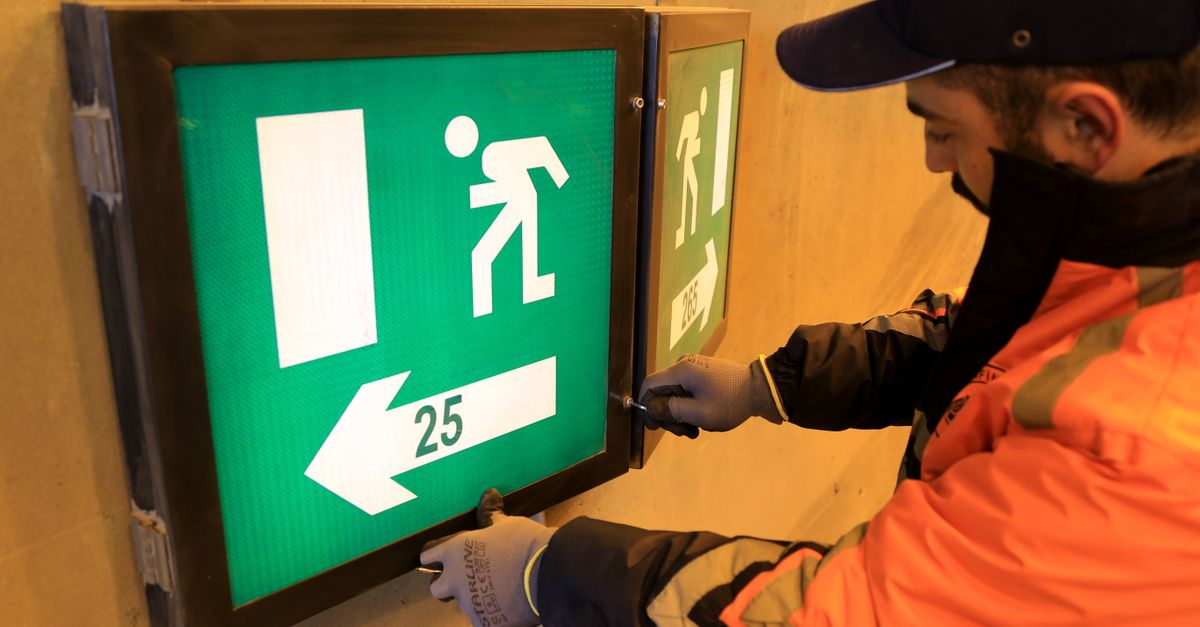
Panic Bar Repair and Replacement: Keeping Exits Code-Compliant Year-Round
Exit devices take a beating. In a busy restaurant or retail environment, a crash bar might be pushed hundreds of times a day. Springs wear out, latch bolts start dragging, dogging mechanisms freeze, and push pads crack. When that happens, the door either doesn't latch properly — a security problem — or pushes too hard — an ADA and safety problem. Panic bar repair is almost always faster and less disruptive than a full replacement if the device chassis and mounting are sound; our technicians carry common replacement components and can rebuild many devices in the field. When a device is beyond economic repair — corroded, structurally compromised, or simply obsolete — panic bar replacement with a current-generation unit is the right call. We help you match the new device to your door prep so you're not paying for unnecessary modifications.
Los Angeles businesses also face the occasional vandalism or forced-entry attempt that damages the exterior trim, the outside cylinder, or the latch itself. Our mobile units are equipped for same-day repair calls across the 818, 310, 213, and 323 area codes, and because we operate 24/7, a malfunctioning exit device discovered at midnight before a morning health inspection doesn't have to wait until business hours. If you're searching for a panic bar locksmith near me after hours, (818) 450-5144 connects you directly to our dispatch — no answering service.
Commercial Exit Device Services We Provide Across Los Angeles
Encino Locksmith Corp offers a comprehensive range of commercial exit device and related locksmith services for LA-area businesses. Our work spans the following specific applications: rim-mount exit device installation, surface vertical rod device installation, concealed vertical rod device installation, mortise exit device installation, panic bar with mortise lock installation, outside trim and lever installation, key-locking cylinder integration, dogging hardware installation (keyed and hex), panic bar repair and spring replacement, latch bolt repair and realignment, push pad replacement, vertical rod replacement and adjustment, door coordinator installation, electric strike pairing with exit devices, electromagnetic hold-open device installation, exit device weatherstripping and seal replacement, multi-point locking exit device installation, aluminum storefront exit device installation, hollow-metal door exit device installation, wood door exit device installation, crash bar installation on fire-rated door assemblies, exit device re-keying and master-key integration, ADA compliance verification and adjustment, exit device grade-level upgrades (ANSI/BHMA Grade 1), and post-installation cycle testing and documentation. If your application isn't on this list, call us — commercial door hardware is a core locksmith specialty, and we're equipped for non-standard configurations as well.
Pricing for any of these services depends on several factors: the type and grade of exit device required, whether door prep modifications are needed, the complexity of any electric or access-control integration, travel distance to your location, and time of service (overnight and weekend calls carry different labor considerations than standard business hours). We confirm an exact quote before any work begins — no surprises on the invoice.
Why LA Businesses Trust a Mobile Locksmith for This Work
Commercial properties across Los Angeles — from the dense office corridors of Century City to the warehouse districts of Sun Valley — have one thing in common: downtime costs money. A mobile locksmith dispatch model means our technician comes to your address, works on your schedule, and handles the job without requiring you to remove and transport heavy door hardware anywhere. Our team is trained on current California Building Code egress requirements and NFPA 101 Life Safety Code standards as they apply to exit devices, which matters when your landlord, fire marshal, or AHJ (Authority Having Jurisdiction) is involved in the inspection process. Being insured means any accidental damage during installation is covered — something that matters when you're working on a door that cost several thousand dollars to spec and hang.
If you manage multiple locations — a small chain, a property management portfolio, or a franchised business — we can coordinate scheduled visits across sites and maintain consistency in hardware specification and keying. That kind of relationship with a single qualified locksmith team simplifies everything from key control to warranty tracking. Reach out to schedule a site assessment or request emergency service at (818) 450-5144, 24 hours a day, seven days a week.
Planning Your Installation: What to Have Ready
Before our technician arrives, a few pieces of information help the job move faster. Know your door material and thickness (most commercial doors are 1¾" but aluminum storefronts vary). If you have a current device, note the brand and series if visible on the push pad — this helps us bring the most likely replacement components. Know whether the door is fire-rated: UL-listed fire doors require exit devices with matching fire ratings, and substituting a non-rated device voids the door assembly's listing. If the installation is part of a tenant improvement with a permit, let us know — we can coordinate with your contractor on rough-in timing. And if access control or electric latch retraction is part of the plan, have your access control panel specs available so we can confirm electrical compatibility before we order parts.
Frequently asked questions
Is a panic bar legally required for my Los Angeles business?+
It depends on your occupancy type and door usage. California Building Code — which adopts and amends the International Building Code — requires panic hardware on doors serving assembly occupancies of 50 or more people, high-hazard occupancies, and certain educational and institutional spaces. Many commercial leases and local fire ordinances extend this to other business types. A trained commercial locksmith can walk your space and tell you exactly which doors require compliant exit devices, but the final authority is your local AHJ and fire marshal. When in doubt, getting it right before an inspection is far less expensive than corrections after a violation.
How long does a typical panic bar installation take?+
A straightforward rim-exit device on a pre-prepped hollow-metal door usually takes one to two hours from arrival to tested completion. More involved work — concealed vertical rod devices, mortise exit device installations, or doors that need prep modifications — can run three to four hours or more. If you have multiple doors, we can often work efficiently through them in sequence during a single visit. We'll give you a realistic time estimate when we assess the job.
What's the difference between a rim exit device and a mortise exit device?+
A rim device mounts entirely on the surface of the door face and secures the door with a single latch that engages a rim strike on the frame. It's the most common and most straightforward to install. A mortise exit device incorporates a full mortise lock body inside the door stile, providing a deadbolt and latch bolt in addition to the exit bar mechanism. The mortise version offers significantly higher security on the locked side, making it the preferred choice for doors that need both compliant egress and serious resistance to unauthorized entry. A panic bar with mortise lock requires a properly sized door stile and precise installation — it's not a DIY project.
Can you repair my existing exit device instead of replacing it?+
In many cases, yes. Common failure points — worn return springs, dragging latch bolts, broken push pad covers, and seized dogging mechanisms — are repairable in the field. Our technicians carry replacement components for many common exit device families and can rebuild or tune a device that still has a sound chassis and mounting. When the internal mechanism is corroded, the housing is cracked, or the device is a discontinued model with no available parts, replacement is the practical answer. We'll give you an honest assessment and let you decide.
Do you work on aluminum storefront doors?+
Yes. Aluminum storefront systems — the type common in LA strip malls, office buildings, and retail centers — typically use Adams Rite-style exit devices or surface-mounted crash bars designed for narrow stile aluminum frames. These require different hardware than standard hollow-metal or wood doors, and the installation tolerances are tighter. Our commercial locksmith technicians are experienced with storefront door exit devices and can handle installation, repair, and outside trim work on these systems.
How is the price for panic bar installation determined?+
Several factors shape the final cost: the type and ANSI/BHMA grade of the exit device specified, whether your door requires prep modifications, the complexity of any electric or access control integration, travel distance to your location within the Los Angeles area, and the time of day the work is performed. Overnight, weekend, and holiday calls involve different labor considerations than standard weekday hours. We confirm a firm, all-inclusive price before any work begins — you won't be handed a larger invoice than the number you agreed to. Call (818) 450-5144 to get a straight answer on what your specific job will cost.
Locked out or need a lock fixed? We are on the way.
Open 24 hours, 7 days a week · Insured, background-checked technicians · Up-front pricing
(818) 450-5144